Infographic Text Box Element: A Powerful Tool for Clear Communication
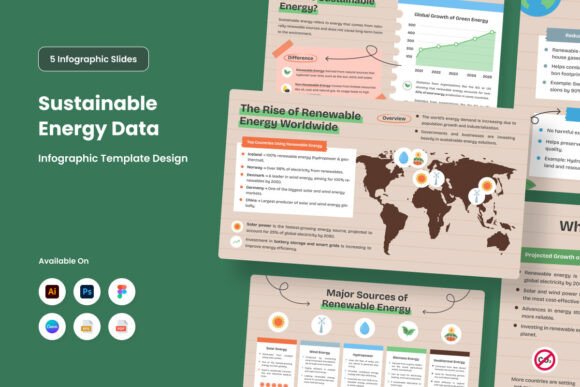
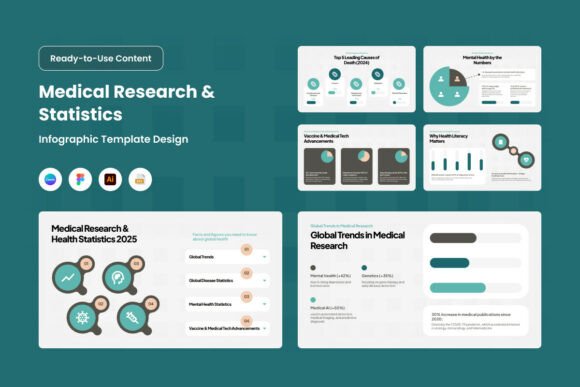
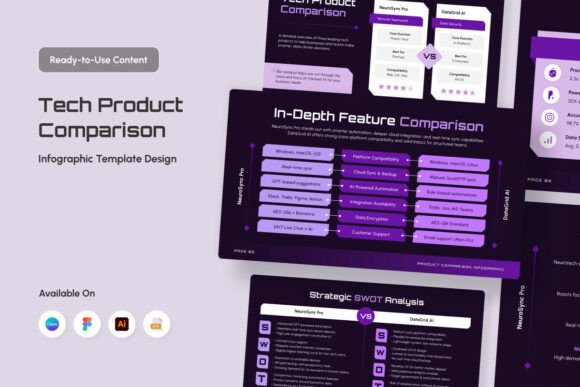
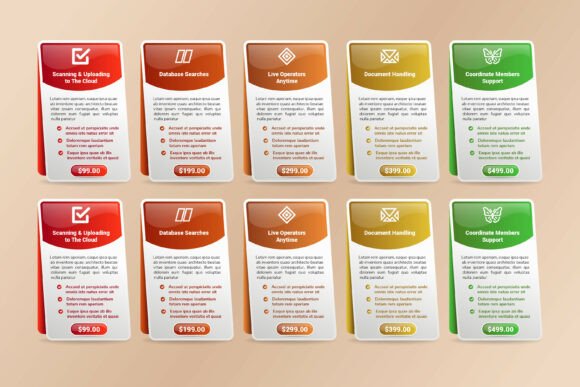
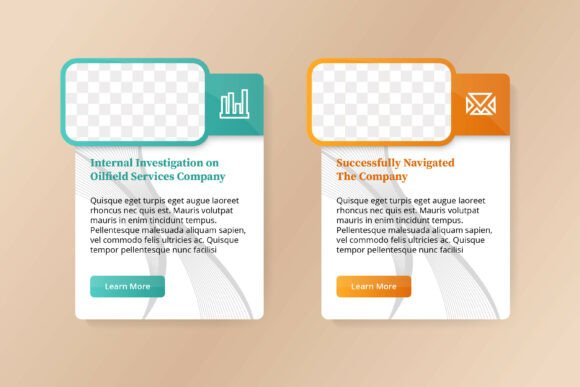
Infographic text box elements are essential components in modern design, especially when creating visual content that communicates complex ideas quickly and effectively. These elements are often part of a larger infographic template, which may include four colorful rectangle element banners, text boxes, and illustration vectors with photo spaces. Whether you're an entrepreneur, marketer, educator, or designer, understanding how to use these tools can significantly enhance your ability to present information clearly and professionally.
What Is an Infographic Text Box Element?
An infographic text box element is a designated area within a design where text is placed to convey key messages, statistics, or explanations. It's typically paired with visual elements like icons, charts, or images to create a balanced and engaging layout. When combined with other components—such as the four colorful rectangle element banner and text box template design—these elements form a cohesive visual narrative that captures attention and improves comprehension.
These text boxes are often part of a larger infographic design template, which may come in various formats like AI, EPS, JPG, or SVG. The high-resolution 300dpi quality ensures that the final output looks sharp on both digital and print media. Additionally, because all graphics are vector-based, they remain scalable without losing quality.
Why People Choose Infographic Text Box Elements
People choose infographic text box elements because they offer a structured way to present information. For example, a business model concept can be broken down into steps using these elements, making it easier for audiences to follow. This is particularly useful for entrepreneurs, educators, and marketers who need to explain processes, strategies, or data in a visually appealing format.
The four colorful rectangle element banner and text box template design is ideal for presentations, reports, or social media content. It allows users to highlight key points while maintaining a clean and professional look. Plus, with editable text, shapes, and colors, users can customize the design to match their brand or message.
Common Mistakes When Using Infographic Text Box Elements
Despite their usefulness, many people make mistakes when working with infographic text box elements. One common error is overcrowding the text boxes with too much information. This can overwhelm the audience and reduce the effectiveness of the design. Instead, keep the text concise and focused on one main idea per box.
Another mistake is ignoring the importance of color contrast. If the text color doesn't stand out against the background, the message may be lost. Always test different color combinations to ensure readability. Similarly, some users overlook the value of proper alignment and spacing. Poorly aligned elements can make the design look unprofessional and disorganized.
How Mistakes Affect Results and Usability
Mistakes in using infographic text box elements can have a direct impact on the success of a project. For instance, if the text is too small or the font is hard to read, the audience may not engage with the content at all. In a business setting, this could lead to missed opportunities or poor communication with clients or stakeholders.
Additionally, using a poorly designed template can result in lower-quality outputs, which may reflect negatively on the creator’s professionalism. This is especially important for freelancers or small business owners who rely on their work to attract clients or customers.
Practical Advice for Better Design Choices
To avoid these issues, start by planning your infographic layout before adding text boxes. Sketch out the main points you want to communicate and determine how each text box will contribute to the overall message. This helps prevent clutter and ensures that each element serves a purpose.
When selecting a template, check that it includes editable text and shapes. This gives you more flexibility to tailor the design to your needs. Also, consider the resolution and file format. High-resolution files (like 300dpi) are essential for print, while vector formats (AI, EPS, SVG) are better for scalability and editing.
Realistic Examples and Better Approaches
For example, if you're creating an infographic about a business model, use the four colorful rectangle element banner to highlight each stage of the process. Place a short, clear description in each text box to explain the step. This approach keeps the design organized and easy to follow.
Instead of using a generic template, look for one that matches your brand’s style. Customizing the colors and fonts can make the infographic feel more personal and professional. Also, always review the final output before sharing it with others to catch any errors or inconsistencies.
What to Check Before Using an Infographic Text Box Element
Before downloading or purchasing an infographic text box element, verify that it includes all necessary file types. For instance, if you plan to use the design in both digital and print formats, make sure it comes in high-resolution JPG and vector formats like AI or EPS. This ensures versatility and quality across different platforms.
Check the license agreement to understand what you can and cannot do with the design. Some templates may restrict commercial use, so it's important to confirm that the product meets your needs. Additionally, read reviews or ask for samples to get a sense of the template’s quality and usability.
Conclusion: Make Informed Choices for Better Outcomes
Infographic text box elements are powerful tools for creating clear, engaging, and professional designs. By understanding how to use them effectively, you can improve communication, enhance user experience, and achieve better results in your projects. Avoid common mistakes by planning ahead, choosing the right template, and customizing the design to fit your needs. With the right approach, these elements can become a valuable asset in your creative toolkit.